
Product Aesthetics
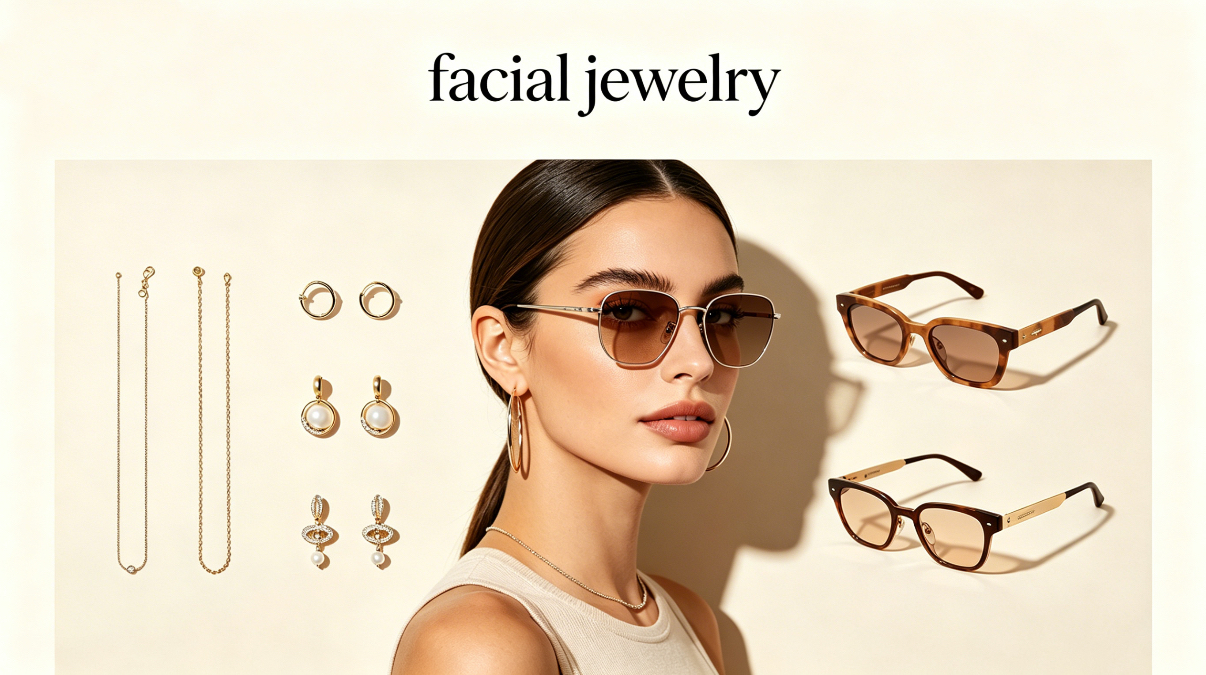
Eyewear is increasingly seen as a style-defining accessory—a reflection of personal identity and taste. More than 40% of consumers now own multiple pairs for different occasions, and premium materials like titanium and bio-based polymers are becoming mainstream as designs grow more face-conscious.
Technology Aesthetics
The focus has shifted from spec-sheet battles to “invisible comfort.” Consumers no longer care about the technical jargon; they simply want lightweight frames and lenses that feel natural, with smart adjustments that make the technology disappear into daily wear.
Functional Aesthetics
Eyewear is now context-specific. Blue-light blocking for office work, polarized lenses for driving, impact-resistant frames for sports—each pair is engineered for a particular use case, rather than trying to be a one-size-fits-all solution.
Service Aesthetics
Long-term trust matters more than a one-time transaction. From pre-sale consultation to after-sale care, consumers value a professional service ecosystem. For B2B partners, this translates into comprehensive OEM/ODM customization, regulatory certification support, and supply chain transparency—services that go beyond the finished product to build lasting business relationships.
Together, these dimensions are turning eyewear into a complete personal vision solution. In the first half of 2026, smart eyewear sales surpassed one million units, jumping 106% year-over-year. At a recent international exhibition, leading brands such as Zeiss set up immersive brand pavilions—Zeiss alone built an 1,800-square-meter experience zone that walked visitors through the entire journey from eye health screening to final delivery.
Post time: Jul-01-2026